 이 누리집은 대한민국 공식 전자정부 누리집입니다.
콘텐츠 영역
(국영문 동시 배포) 남원 청계리 청계 고분군, 호남 최고(最古)‧최대(最大) 가야 고총 확인
- 국립나주·완주문화재연구소, 현장설명회 개최 / 11.7. 오후 2시 -
2019.11.06
문화재청
글자크기 설정
 1106 Korean archaeologists discover earliest tomb from Gaya confederacy era (42-562) in Jeollado region.docx
 1106 남원 청계리 청계 고분군, 호남지역 최고(最古)·최대(最大) 가야 고총 확인(붙임).pdf
 1106 남원 청계리 청계 고분군, 호남지역 최고(最古)·최대(最大) 가야 고총 확인(본문).hwp
문화재청 국립나주문화재연구소(소장 임승경)와 국립완주문화재연구소(소장 오춘영)는 국정과제인 <가야문화권 조사‧연구와 정비> 사업의 하나로 추진 중인 ‘남원 청계리 청계 고분군’ 발굴조사를 통해 청계 고분군이 현재까지 호남 지역에서 발굴된 가야계 고총 중에서 가장 이르고, 가장 규모가 큰 고총임을 확인하였다. 발굴성과는 오는 7일 오후 2시에 현장설명회에서 공개한다.
* 발굴현장: 전북 남원시 아영면 청계리 산 8-7번지
남원 청계리 청계 고분군은 남원 아영분지 일대의 최대 고분군인 남원 유곡리와 두락리 고분군(사적 제542호), 남원 월산리 고분군(전라북도기념물 제138호)을 내려다보는 높은 곳에 위치하고 있다. 국립나주문화재연구소와 국립완주문화재연구소는 가야계 고분군이 밀집한 곳에 자리한 남원 청계리 고분군의 성격을 밝히고 보존‧활용 방안 마련을 위해 지난 5월부터 현재까지 정밀발굴조사를 추진 중이다.
이번 조사에서는 ▲ 호남 지역에서 가장 이르고 규모가 가장 큰 가야계 고총의 구조와 축조 방법, ▲ 호남 지역에서 최초로 발견된 수레바퀴 장식 토기 조각을 비롯한 다수의 함안 아라가야계 토기, ▲ 호남 지역 가야 고총에서 최초로 확인된 왜계 나무 빗(수즐, 竪櫛) 등 남원 아영분지 일대 고대 정치조직의 실체와 변화상을 규명할 수 있는 새로운 자료들을 확보하였다.
고분은 시루봉(770m)에서 동쪽으로 뻗어 내린 산 비탈면 말단부의 능선 위에 있다. 고분은 본래 지형을 `L`자형으로 깎아내고, 다시 성토하면서 평탄면을 만든 후에 되파거나 성토와 동시에 매장시설을 안치하여 조성되었다. 남쪽 비탈면 일부에서는 도랑(주구, 周溝)이 확인된다. 고분의 평면 형태는 타원형으로 추정되며, 고분 방향은 능선과 나란한 남북방향이다. 규모는 남아있는 봉분을 기준으로 길이 약 31m(도랑 포함 34m 내외), 너비 약 20m, 남아있는 높이는 5m 내외로 현재까지 발굴된 호남 지역 가야계 고총 중에서 가장 큰 크기다.
* 성토(盛土): 성질이 다른 흙을 서로 번갈아 가면서 쌓아올리는 기술
* 남원 월산리 고분군 약 20m 내외, 남원 유곡리와 두락리 고분군 32호분 약 21m, 창녕 교동 7호분 32m
매장시설은 돌덧널(석곽, 石槨)로 총 3기가 ‘T’자형의 구조로 배치되어 있다. 2호 돌덧널(5.4×1.6×1.3m)과 3호 돌덧널(5.8×0.7×1.1m)은 거의 동시에 봉분 성토와 함께 만들었다. 1호 돌덧널(5.7×1.15×1.65m)은 2호 돌덧널의 끝자락에 덧붙여 만들었다. 동쪽과 북쪽 비탈면에는 봉분이 흘러내리는 것을 방지하기 위하여 돌(즙석, 葺石)을 깔았다. 매장시설의 구조나 배치 양상으로 보아, 2호 돌덧널이 중심 시설(주곽)임을 알 수 있다.
3기의 돌덧널은 모두 도굴의 피해가 심했지만, 그럼에도 불구하고 호남 동부지역의 가야 정치체의 실상을 밝혀줄 수 있는 귀중한 자료를 다량 확보할 수 있었다. 2호 돌덧널에서는 ‘수레바퀴 장식 토기’ 조각을 비롯하여 중국자기 조각, 그릇받침(기대, 器臺)와 굽다리접시(고배, 高杯) 등 아라가야계 유물이 다량 출토되었다. 수레바퀴 장식 토기는 아라가야를 대표하는 유물로, 현재까지 전하는 유물로는 함안 말이산 4호와 전(傳) 의령 대의면에서 나온 출토품이 있다. 1호 돌덧널에서는 다량의 아라가야계‧대가야 토기와 함께 나무 빗(竪櫛)이 확인되었다.
수레바퀴 장식 토기(차륜 장식 토기, 車輪 粧飾 土器)는 호남에서는 최초로 발견한 사례로, 굽다리 접시 대각 위에 U자 모양으로 뿔잔 2개가 얹혀져있고 좌우에 흙으로 만든 수레바퀴가 부착된 아라가야의 특징을 지니고 있다. 나무 빗(竪櫛)은 묶은 머리를 고정시키는 용도의 작은 빗으로 일본 야요이 시대부터 많이 확인되며, 우리나라에서는 부산, 김해, 고흥의 삼국 시대 고분에서 출토된 바 있다.
중앙부에서는 다량의 꺽쇠와 관못도 출토되었다. 3호 돌덧널은 규모와 위치로 보아 2호 돌덧널의 부장곽으로 추정되나, 아쉽게도 도굴로 인하여 동쪽 단벽에서 손잡이가 있는 뚜껑 1점만 출토되었다.
남원 청계리 고분군은 출토 유물로 보아 인근에 있는 남원 월산리 고분군이나 남원 유곡리와 두락리 고분군에 비해 빠른 5세기 전반으로 추정된다. 고분의 축조기법이나 출토유물에서 토착적인 요소(성토와 매장시설의 동시 조성, 도랑의 확인)와 외래적인 요소(T자형의 돌넛덜의 배치, 아라가야·대가야·왜계·중국 유물)가 함께 보이고 있다. 이러한 요소들은 당시 주변 지역과 활발한 대외교류를 통해 새로운 발전을 모색한 운봉고원 고대 정치체의 역동성을 엿볼 수 있다.
문화재청 국립나주문화재연구소와 국립완주문화재연구소는 남원 청계리 청계 고분군을 남원 월산리 고분군과 함께 국가지정문화재로 보존‧관리할 수 있는 다각적인 방안을 마련하여 호남 지역 가야의 역사와 문화에 대해 새롭게 조명해 나갈 계획이다.
Korean archaeologists discover earliest tomb from Gaya confederacy era (42-562) in Jeollado region
- Naju National Research Institute of Cultural Heritage and Wanju National Research Institute of Cultural Heritage to hold meeting of advisers and briefing for media in Cheonggye-ri, Namwon, Jeolla Bukdo (North Jeolla) at 2pm on Nov. 7 (KST). -
Naju National Research Institute of Cultural Heritage, Wanju National Research Institute of Cultural Heritage
Jeon Yong-Ho Researcher (061-339-1120), So Jae-Yun Researcher (063-290-9311)
Korean archaeologists have discovered the earliest and largest tomb from Gaya confederacy era (42-562)1 in the Jeollado region. Naju National Research Institute of Cultural Heritage and Wanju National Research Institute of Cultural Heritage have been conducting an archaeological exploration on a group of tombs in Cheonggye-ri, Namwon, Jeolla Bukdo (North Jeolla) as part of efforts to investigate and refurbish areas of the Gaya culture, one of incumbent administration’s key projects. The two research institutes will hold a meeting of advisers and a briefing for media at the site2 at 2pm on November 7, 2019 (KST).
1. Gaya was a confederacy of territories that existed in southern Korea between the first and sixth centuries. It existed during Korea’s Three Kingdoms era (57 B.C.-A.D. 668), which refers to the time when the three powerful kingdoms on the Korean Peninsula - Goguryeo, Baekje and Silla vied for control.
2. The address is 8-7 San, Cheonggye-ri, Ayeong-myeon, Namwon, Jeolla Bukdo.
Naju National Research Institute of Cultural Heritage has been excavating a tomb in the ‘Cheonggye Tomb Complex,’ from May of this year. The ‘Cheonggye Tomb Complex’ is located on a great height overlooking ‘Yugok-ri and Durak-ri Tomb Complex,’ the largest tomb concentration in the Ayeong basin area of Namwon, as well as ‘Wolsan-ri Tomb Complex.’
The exploration was designed to find out the tomb’s characteristics and to come up with ways to preserve and utilize it.
From the excavation, archaeologists ▲learned the structure of and construction techniques used in the earliest and largest tomb from Gaya in the Jeolla region, ▲uncovered numerous pieces of earthenware from Ara-Gaya3 which include a piece of earthenware decorated with wheels4, plus dish holders and elevated dishes, ▲as well as discovering a Japanese-style wooden comb5, first to be found from a Gaya tomb in Jeolla.
3. ‘Ara-Gaya’ was a city-state kingdom that was part of Gaya confederacy, in modern-day Haman County.
4. This type of earthenware was a unique to Ara-Gaya. On an elevated dish, two drinking horns are placed to make a U-shape and wheels made of earth are placed on each side.
5. Wooden combs, used to further fixate hair that is tied back, is often found from Japan’s Yayoi period (300 B.C.-A.D. 300). They have also been found from tombs from Korea’s Three Kingdoms era in Busan, Gimhae and Goheung.
LARGEST GAYA TOMB IN JEOLLA
The tomb Korean archeologists examined is located on a ridge that comes down eastward from Siru-bong, or Siru mountaintop, in Mt. Gonamsan. They believe that in order to construct the tomb, workers first cut into the mountainside and piled up soil to create level ground in an L-shape. After this, they dug the ground again to construct the burial facility. Archeologists also discovered a ditch to the southern side of the tomb.
The tomb’s flat surface was an oval-shape, and its major axis fell in north and south in line with the mountain ridge, archaeologists believe. Based on what’s left of the mound, the tomb was approximately 31 meters long (34 meters including the ditch), 20 meters wide and 5 meters high, making it the largest Gaya tomb ever to be found in the Jeolla region6.
6. ‘Wolsan-ri Tomb Complex’ measures approximately 20 meters (in diameter); ‘Yugok-ri and Durak-ri Tomb Complex’ 21 meters; and ‘Tomb No. 7 in Gyodong, Changnyeong’ 32 meters.
The tomb had three stone outer coffins which were aligned to create a T-shape. In cases of stone outer coffins 2 and 3, workers simultaneously dug into the soil and added new soil to make sure the burial was strong enough. Stone outer coffin No. 1, on the other hand, was created adjacent to the end of stone outer coffin No. 2. In the east and north sides of tomb, workers piled up stones to make sure the mound does not slide down. Based on the structure and alignment, it is clear that stone outer coffin No. 2 was designed to be the center of this tomb.
EARTHENWARE WITH WHEELS
Although all three stone outer coffins have been significantly damaged by robbery, archaeologists were able to uncover relics that could provide important clues to Gaya’s political system in the eastern part of the Jeolla region.
They found from stone outer coffin No. 2 a piece of earthenware that feature wheels as well as several dish holders and elevated dishes - artifacts typical of Ara-Gaya. In particular, the earthenware decorated with wheels is signature relic of Ara-Gaya and has been discovered in Haman and presumably in Uiryeong.
From stone outer coffin No. 1, archaeologists found a wooden comb - which is believed to have been manufactured in Japan and brought to the Korean peninsula - in addition to various pieces of earthenware of Ara-Gaya and Dae-Gaya. They also found clamps and nails.
Stone outer coffin No. 3 appears to have been an annex to stone outer coffin No. 2 based on its size and location. Because of robbery, archaeologists were able to uncover just a lid with handle made of earth from this coffin.
EARLY FIFTH-CENTURY TOMB
Based on artifacts uncovered, researchers believe that the tomb was constructed in early part of the fifth century which makes it older than nearby ‘Wolsan-ri Tomb Complex’ and ‘Yugok-ri and Durak-ri Tomb Complex.’
The construction techniques used and relics found display both the local culture as well as external influence. Simultaneously digging the soil and adding new soil to make sure the burial was strong enough, and creating a ditch are both signs that the people of Gaya embraced indigenous tradition. The T-shaped alignment of coffins and relics from Ara-Gaya, Dae-Gaya and Japan, on the other hand, are foreign elements. This makes researchers believe the ancient political system of Gaya in this region actively sought exchanges with surrounding regions and remained versatile as a way to survive and thrive.
Naju National Research Institute of Cultural Heritage and Wanju National Research Institute of Cultural Heritage plan to designate ‘Cheonggye Tomb Complex’ as state-designated cultural heritage (historic site) along with ‘Wolsan-ri Tomb Complex’ and devise ways to preserve and manage the site and shed new light on the history and culture of Gaya in Jeolla.
* 발굴현장: 전북 남원시 아영면 청계리 산 8-7번지
남원 청계리 청계 고분군은 남원 아영분지 일대의 최대 고분군인 남원 유곡리와 두락리 고분군(사적 제542호), 남원 월산리 고분군(전라북도기념물 제138호)을 내려다보는 높은 곳에 위치하고 있다. 국립나주문화재연구소와 국립완주문화재연구소는 가야계 고분군이 밀집한 곳에 자리한 남원 청계리 고분군의 성격을 밝히고 보존‧활용 방안 마련을 위해 지난 5월부터 현재까지 정밀발굴조사를 추진 중이다.
이번 조사에서는 ▲ 호남 지역에서 가장 이르고 규모가 가장 큰 가야계 고총의 구조와 축조 방법, ▲ 호남 지역에서 최초로 발견된 수레바퀴 장식 토기 조각을 비롯한 다수의 함안 아라가야계 토기, ▲ 호남 지역 가야 고총에서 최초로 확인된 왜계 나무 빗(수즐, 竪櫛) 등 남원 아영분지 일대 고대 정치조직의 실체와 변화상을 규명할 수 있는 새로운 자료들을 확보하였다.
고분은 시루봉(770m)에서 동쪽으로 뻗어 내린 산 비탈면 말단부의 능선 위에 있다. 고분은 본래 지형을 `L`자형으로 깎아내고, 다시 성토하면서 평탄면을 만든 후에 되파거나 성토와 동시에 매장시설을 안치하여 조성되었다. 남쪽 비탈면 일부에서는 도랑(주구, 周溝)이 확인된다. 고분의 평면 형태는 타원형으로 추정되며, 고분 방향은 능선과 나란한 남북방향이다. 규모는 남아있는 봉분을 기준으로 길이 약 31m(도랑 포함 34m 내외), 너비 약 20m, 남아있는 높이는 5m 내외로 현재까지 발굴된 호남 지역 가야계 고총 중에서 가장 큰 크기다.
* 성토(盛土): 성질이 다른 흙을 서로 번갈아 가면서 쌓아올리는 기술
* 남원 월산리 고분군 약 20m 내외, 남원 유곡리와 두락리 고분군 32호분 약 21m, 창녕 교동 7호분 32m
매장시설은 돌덧널(석곽, 石槨)로 총 3기가 ‘T’자형의 구조로 배치되어 있다. 2호 돌덧널(5.4×1.6×1.3m)과 3호 돌덧널(5.8×0.7×1.1m)은 거의 동시에 봉분 성토와 함께 만들었다. 1호 돌덧널(5.7×1.15×1.65m)은 2호 돌덧널의 끝자락에 덧붙여 만들었다. 동쪽과 북쪽 비탈면에는 봉분이 흘러내리는 것을 방지하기 위하여 돌(즙석, 葺石)을 깔았다. 매장시설의 구조나 배치 양상으로 보아, 2호 돌덧널이 중심 시설(주곽)임을 알 수 있다.
3기의 돌덧널은 모두 도굴의 피해가 심했지만, 그럼에도 불구하고 호남 동부지역의 가야 정치체의 실상을 밝혀줄 수 있는 귀중한 자료를 다량 확보할 수 있었다. 2호 돌덧널에서는 ‘수레바퀴 장식 토기’ 조각을 비롯하여 중국자기 조각, 그릇받침(기대, 器臺)와 굽다리접시(고배, 高杯) 등 아라가야계 유물이 다량 출토되었다. 수레바퀴 장식 토기는 아라가야를 대표하는 유물로, 현재까지 전하는 유물로는 함안 말이산 4호와 전(傳) 의령 대의면에서 나온 출토품이 있다. 1호 돌덧널에서는 다량의 아라가야계‧대가야 토기와 함께 나무 빗(竪櫛)이 확인되었다.
수레바퀴 장식 토기(차륜 장식 토기, 車輪 粧飾 土器)는 호남에서는 최초로 발견한 사례로, 굽다리 접시 대각 위에 U자 모양으로 뿔잔 2개가 얹혀져있고 좌우에 흙으로 만든 수레바퀴가 부착된 아라가야의 특징을 지니고 있다. 나무 빗(竪櫛)은 묶은 머리를 고정시키는 용도의 작은 빗으로 일본 야요이 시대부터 많이 확인되며, 우리나라에서는 부산, 김해, 고흥의 삼국 시대 고분에서 출토된 바 있다.
중앙부에서는 다량의 꺽쇠와 관못도 출토되었다. 3호 돌덧널은 규모와 위치로 보아 2호 돌덧널의 부장곽으로 추정되나, 아쉽게도 도굴로 인하여 동쪽 단벽에서 손잡이가 있는 뚜껑 1점만 출토되었다.
남원 청계리 고분군은 출토 유물로 보아 인근에 있는 남원 월산리 고분군이나 남원 유곡리와 두락리 고분군에 비해 빠른 5세기 전반으로 추정된다. 고분의 축조기법이나 출토유물에서 토착적인 요소(성토와 매장시설의 동시 조성, 도랑의 확인)와 외래적인 요소(T자형의 돌넛덜의 배치, 아라가야·대가야·왜계·중국 유물)가 함께 보이고 있다. 이러한 요소들은 당시 주변 지역과 활발한 대외교류를 통해 새로운 발전을 모색한 운봉고원 고대 정치체의 역동성을 엿볼 수 있다.
문화재청 국립나주문화재연구소와 국립완주문화재연구소는 남원 청계리 청계 고분군을 남원 월산리 고분군과 함께 국가지정문화재로 보존‧관리할 수 있는 다각적인 방안을 마련하여 호남 지역 가야의 역사와 문화에 대해 새롭게 조명해 나갈 계획이다.
Korean archaeologists discover earliest tomb from Gaya confederacy era (42-562) in Jeollado region
- Naju National Research Institute of Cultural Heritage and Wanju National Research Institute of Cultural Heritage to hold meeting of advisers and briefing for media in Cheonggye-ri, Namwon, Jeolla Bukdo (North Jeolla) at 2pm on Nov. 7 (KST). -
Naju National Research Institute of Cultural Heritage, Wanju National Research Institute of Cultural Heritage
Jeon Yong-Ho Researcher (061-339-1120), So Jae-Yun Researcher (063-290-9311)
Korean archaeologists have discovered the earliest and largest tomb from Gaya confederacy era (42-562)1 in the Jeollado region. Naju National Research Institute of Cultural Heritage and Wanju National Research Institute of Cultural Heritage have been conducting an archaeological exploration on a group of tombs in Cheonggye-ri, Namwon, Jeolla Bukdo (North Jeolla) as part of efforts to investigate and refurbish areas of the Gaya culture, one of incumbent administration’s key projects. The two research institutes will hold a meeting of advisers and a briefing for media at the site2 at 2pm on November 7, 2019 (KST).
1. Gaya was a confederacy of territories that existed in southern Korea between the first and sixth centuries. It existed during Korea’s Three Kingdoms era (57 B.C.-A.D. 668), which refers to the time when the three powerful kingdoms on the Korean Peninsula - Goguryeo, Baekje and Silla vied for control.
2. The address is 8-7 San, Cheonggye-ri, Ayeong-myeon, Namwon, Jeolla Bukdo.
Naju National Research Institute of Cultural Heritage has been excavating a tomb in the ‘Cheonggye Tomb Complex,’ from May of this year. The ‘Cheonggye Tomb Complex’ is located on a great height overlooking ‘Yugok-ri and Durak-ri Tomb Complex,’ the largest tomb concentration in the Ayeong basin area of Namwon, as well as ‘Wolsan-ri Tomb Complex.’
The exploration was designed to find out the tomb’s characteristics and to come up with ways to preserve and utilize it.
From the excavation, archaeologists ▲learned the structure of and construction techniques used in the earliest and largest tomb from Gaya in the Jeolla region, ▲uncovered numerous pieces of earthenware from Ara-Gaya3 which include a piece of earthenware decorated with wheels4, plus dish holders and elevated dishes, ▲as well as discovering a Japanese-style wooden comb5, first to be found from a Gaya tomb in Jeolla.
3. ‘Ara-Gaya’ was a city-state kingdom that was part of Gaya confederacy, in modern-day Haman County.
4. This type of earthenware was a unique to Ara-Gaya. On an elevated dish, two drinking horns are placed to make a U-shape and wheels made of earth are placed on each side.
5. Wooden combs, used to further fixate hair that is tied back, is often found from Japan’s Yayoi period (300 B.C.-A.D. 300). They have also been found from tombs from Korea’s Three Kingdoms era in Busan, Gimhae and Goheung.
LARGEST GAYA TOMB IN JEOLLA
The tomb Korean archeologists examined is located on a ridge that comes down eastward from Siru-bong, or Siru mountaintop, in Mt. Gonamsan. They believe that in order to construct the tomb, workers first cut into the mountainside and piled up soil to create level ground in an L-shape. After this, they dug the ground again to construct the burial facility. Archeologists also discovered a ditch to the southern side of the tomb.
The tomb’s flat surface was an oval-shape, and its major axis fell in north and south in line with the mountain ridge, archaeologists believe. Based on what’s left of the mound, the tomb was approximately 31 meters long (34 meters including the ditch), 20 meters wide and 5 meters high, making it the largest Gaya tomb ever to be found in the Jeolla region6.
6. ‘Wolsan-ri Tomb Complex’ measures approximately 20 meters (in diameter); ‘Yugok-ri and Durak-ri Tomb Complex’ 21 meters; and ‘Tomb No. 7 in Gyodong, Changnyeong’ 32 meters.
The tomb had three stone outer coffins which were aligned to create a T-shape. In cases of stone outer coffins 2 and 3, workers simultaneously dug into the soil and added new soil to make sure the burial was strong enough. Stone outer coffin No. 1, on the other hand, was created adjacent to the end of stone outer coffin No. 2. In the east and north sides of tomb, workers piled up stones to make sure the mound does not slide down. Based on the structure and alignment, it is clear that stone outer coffin No. 2 was designed to be the center of this tomb.
EARTHENWARE WITH WHEELS
Although all three stone outer coffins have been significantly damaged by robbery, archaeologists were able to uncover relics that could provide important clues to Gaya’s political system in the eastern part of the Jeolla region.
They found from stone outer coffin No. 2 a piece of earthenware that feature wheels as well as several dish holders and elevated dishes - artifacts typical of Ara-Gaya. In particular, the earthenware decorated with wheels is signature relic of Ara-Gaya and has been discovered in Haman and presumably in Uiryeong.
From stone outer coffin No. 1, archaeologists found a wooden comb - which is believed to have been manufactured in Japan and brought to the Korean peninsula - in addition to various pieces of earthenware of Ara-Gaya and Dae-Gaya. They also found clamps and nails.
Stone outer coffin No. 3 appears to have been an annex to stone outer coffin No. 2 based on its size and location. Because of robbery, archaeologists were able to uncover just a lid with handle made of earth from this coffin.
EARLY FIFTH-CENTURY TOMB
Based on artifacts uncovered, researchers believe that the tomb was constructed in early part of the fifth century which makes it older than nearby ‘Wolsan-ri Tomb Complex’ and ‘Yugok-ri and Durak-ri Tomb Complex.’
The construction techniques used and relics found display both the local culture as well as external influence. Simultaneously digging the soil and adding new soil to make sure the burial was strong enough, and creating a ditch are both signs that the people of Gaya embraced indigenous tradition. The T-shaped alignment of coffins and relics from Ara-Gaya, Dae-Gaya and Japan, on the other hand, are foreign elements. This makes researchers believe the ancient political system of Gaya in this region actively sought exchanges with surrounding regions and remained versatile as a way to survive and thrive.
Naju National Research Institute of Cultural Heritage and Wanju National Research Institute of Cultural Heritage plan to designate ‘Cheonggye Tomb Complex’ as state-designated cultural heritage (historic site) along with ‘Wolsan-ri Tomb Complex’ and devise ways to preserve and manage the site and shed new light on the history and culture of Gaya in Jeolla.
“이 자료는 문화재청의 보도자료를 전재하여 제공함을 알려드립니다.”
- 공공누리 출처표시의 조건에 따라 자유이용이 가능합니다. (텍스트)
- 단, 사진, 이미지, 일러스트, 동영상 등의 일부 자료는 문화체육관광부가 저작권 전부를 보유하고 있지 아니하므로, 반드시 해당 저작권자의 허락을 받으셔야 합니다.
정책브리핑 공공누리 담당자 안내
닫기
문의처 : 문화체육관광부 정책포털과
| 뉴스 |
|
|---|---|
| 멀티미디어 |
|
| 브리핑룸 |
|
| 정책자료 |
|
| 정부기관 SNS |
|
※ 브리핑룸 보도자료는 각 부·처·기관으로부터 연계로 자동유입되는 자료로 보도자료에 포함된 연락처로 문의
※ 전문자료와 전자책의 이용은 각 자료를 발간한 해당 부처로 문의
이전다음기사
다음기사겨울나는 풀사료, ‘꾹꾹’ 눌러주면 ‘쑥쑥’ 늘어요정책브리핑 게시물 운영원칙에 따라 다음과 같은 게시물은 삭제 또는 계정이 차단 될 수 있습니다.
- 1. 타인의 메일주소, 전화번호, 주민등록번호 등의 개인정보 또는 해당 정보를 게재하는 경우
- 2. 확인되지 않은 내용으로 타인의 명예를 훼손시키는 경우
- 3. 공공질서 및 미풍양속에 위반되는 내용을 유포하거나 링크시키는 경우
- 4. 욕설 및 비속어의 사용 및 특정 인종, 성별, 지역 또는 특정한 정치적 견해를 비하하는 용어를 게시하는 경우
- 5. 불법복제, 바이러스, 해킹 등을 조장하는 내용인 경우
- 6. 영리를 목적으로 하는 광고 또는 특정 개인(단체)의 홍보성 글인 경우
- 7. 타인의 저작물(기사, 사진 등 링크)을 무단으로 게시하여 저작권 침해에 해당하는 글
- 8. 범죄와 관련있거나 범죄를 유도하는 행위 및 관련 내용을 게시한 경우
- 9. 공인이나 특정이슈와 관련된 당사자 및 당사자의 주변인, 지인 등을 가장 또는 사칭하여 글을 게시하는 경우
- 10. 해당 기사나 게시글의 내용과 관련없는 특정 의견, 주장, 정보 등을 게시하는 경우
- 11. 동일한 제목, 내용의 글 또는 일부분만 변경해서 글을 반복 게재하는 경우
- 12. 기타 관계법령에 위배된다고 판단되는 경우
- 13. 수사기관 등의 공식적인 요청이 있는 경우
히단 배너 영역



정책 NOW, MY 맞춤뉴스
정책 NOW


인기, 최신, 오늘의 영상 , 오늘의 사진
인기 뉴스
-
 내년 중소기업 정책자금 4조 4000억 원 공급…60% 이상 비수도권에
-
 2025 연말정산, 작년과 뭐가 달라졌을까?
-
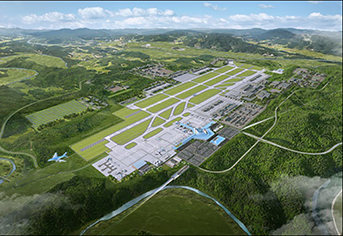 대구경북통합신공항, 지금보다 7배 커진다…2조 7000억 원 투입
-
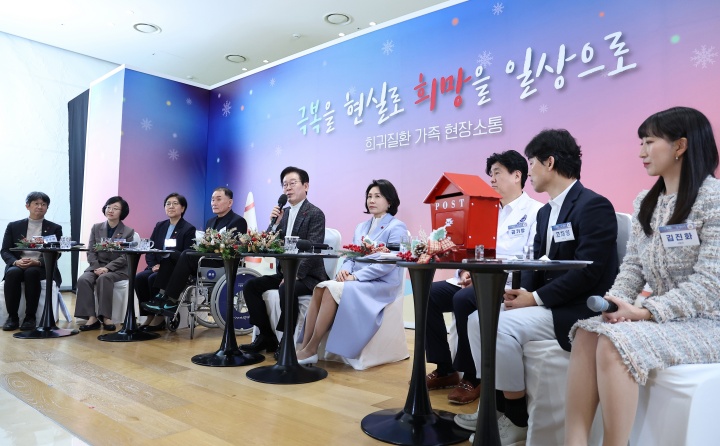 이 대통령, 희귀칠환 환우 및 가족들과 현장 소통
-
 남북, '통일 지향 평화적 두 국가'로 전환…한반도 평화 특사 임명
-
 해외주식 팔고 국내시장 복귀하면 1년 간 양도세 감면
-
 시속 370km 차세대 고속열차 독자 개발…2030년 운행
-
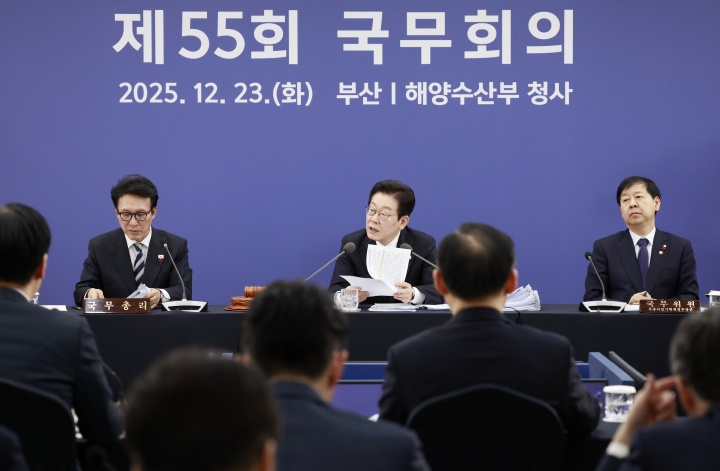 이 대통령, "연말연시 이중삼중으로 안전대책 점검"
-
![[정책 바로보기] 복지부 "탈모 치료 급여 확대와 재정절감 방안 함께 논의"](https://www.korea.kr/newsWeb/resources/attaches/2025.12/24/cbabd1a911b40fed7d77bbf95ddcc9ef.jpg) [정책 바로보기] 복지부 "탈모 치료 급여 확대와 재정절감 방안 함께 논의"
[정책 바로보기] 복지부 "탈모 치료 급여 확대와 재정절감 방안 함께 논의"
-
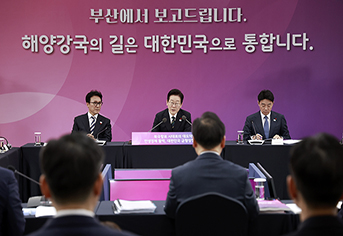 '북극항로 시대 대도약'…동남권 해양수도권 육성 실현
최신 뉴스
-
 ODA 사업 투명성 높인다…정부, 사업 변경·신설 기준 강화
- (보도설명) '개인정보보호 인증제도(ISMS-P)' 의무화를 적극 추진하고 있습니다.
-
 한파 피하고 온기는 더하는 '이동노동자 쉼터와 마을공간'
- 국방부장관 해군 해병대 작전태세 현장점검
- 남북군사회담 추진역량 강화 유관부처 워크숍
- 산림항공본부한국교통안전공단(TS), 산불대응 역량 강화를 위한 업무협약 체결
-
 연말정산 혜택도 받는 '고향사랑기부제'…3년 만에 모금액 1000억 원
-
 K-푸드, 세계 시장 선도하는 전략산업 육성
-
 '바다여행 플랫폼'이 안내한 소돌마을 여행기
-
 소비자 분쟁이 발생했을 땐? 소비자원 도움 받아보세요!




정책포커스
