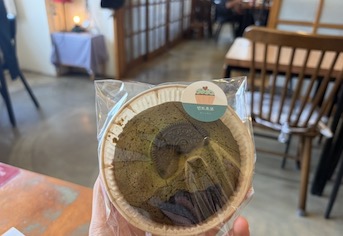
문화재청(청장 김현모)은 ‘막걸리 빚기’를 신규 국가무형문화재로 지정 하였다. 이번 지정 대상은 막걸리를 빚는 작업은 물론이고, 다양한 생업과 의례, 경조사 활동 등에서 나누는 전통 생활관습까지를 포괄한 것이다. 일반적인 쌀 막걸리는 쌀을 깨끗이 씻어 고두밥을 지어 식힌 후, 누룩과 물을 넣고 수일 간 발효시켜 체에 거르는 과정을 통해 만들어진다. 막걸리의 ‘막’은 ‘바로 지금’, ‘바로 그때’와 ‘걸리’는 ‘거르다’라는 뜻으로 그 명칭이 순우리말일 뿐만 아니라 이름 자체에서도 술을 만드는 방식과 그 특징이 드러나 있다. * 고두밥: 고들고들하게 지은 된밥을 말함. * 누룩: 술을 만들 때 사용하는 발효제.
막걸리는 멥쌀, 찹쌀, 보리쌀 등 곡류로 빚기 때문에 삼국 시대 이전 농경이 이루어진 시기부터 존재했을 것으로 추정된다.『삼국사기(三國史記)』,『삼국유사(三國遺事)』에 ‘미온(美)’, ‘지주(旨酒)’, ‘료예(醴)’ 등 막걸리로 추정할 수 있는 내용들이 확인되며, 고려 시대 이규보(李奎報)의 『동국이상국집(東國李相國集)』등 당대 문인들의 문집에도 막걸리로 추측되는 ‘백주(白酒)’ 등의 용어가 확인된다. 조선 시대 『춘향전』, 『광재물보(廣才物譜)』에서는 ‘목걸리’, ‘막걸니’ 등 한글로 표기된 막걸리를 찾아볼 수 있으며, 『규합총서(閨閤叢書)』,『음식디미방』을 비롯한 각종 조리서에서도 탁한 형태의 막걸리로 즐겼을 법한 술들이 담겨있다.
막걸리는 물과 쌀, 누룩만 있으면 누구나 쉽게 만들 수 있는 것이 가장 큰 특징이다. 이로 인해 많은 사람이 쉽게 접할 수 있었고, 서민의 애환을 달래주는 술의 대명사가 되었다. 농사꾼들 사이에서는 “같은 품삯을 받더라도 새참으로 나오는 막걸리가 맛있는 집으로 일하러 간다.”라고 할 정도로 농번기에는 농민의 땀과 갈증을 해소하는 농주(農酒)로 기능하였다.
또한, 막걸리는 예로부터 마을 공동체의 생업·의례·경조사에서 빠지지 않는 요소였다. 오늘날에도 막걸리는 신주(神酒)로서 건축물의 준공식, 자동차 고사, 개업식 등 여러 행사에 제물로 올릴 정도로 관련 문화가 지속적으로 유지되고 있다.
우리나라에서 막걸리는 많은 국민이 즐기고 향유하는 대중적인 술이다. 조선 시대까지 막걸리는 집집마다 가양주(家釀酒)로 빚어 집안 특유의 술맛을 유지해 왔으며, 김치, 된장과 같이 각 가정에서 직접 만들어 먹던 발효음식의 하나였다. 근대 이후 국가 정책의 흐름에 따라 가양주 대신 양조장 막걸리가 일반화되고 재료가 변화하기도 하였지만, 시대적 상황에 적응하면서 그 명맥을 유지해왔다. 2000년대 이후에는 막걸리 열풍이 불면서, 자가 제조도 증가하는 추세다. * 가양주: 집에서 담근 술. 일제강점기에 주세법이 강화되면서 가양주는 밀주(密酒)로 단속의 대상이 됨. 1995년부터 자가 소비용으로 가양주를 제조하는 것이 다시 허용됨.
이처럼 ‘막걸리 빚기’는 ▲ 오랜 역사를 가지고 한반도 전역에서 전승·향유되고 있다는 점, ▲ 삼국 시대부터 각종 고문헌에서 막걸리 제조방법과 관련된 기록이 확인되는 점, ▲ 식품영양학, 민속학, 역사학 등 다양한 학문 분야의 학술연구 자료로서의 가능성이 높다는 점, ▲ 농요·속담·문학작품 등 막걸리 관련 문화를 통해 한국문화를 심도 있게 이해할 수 있다는 점, ▲ 전국에 분포한 양조장을 중심으로 막걸리의 각 지역별 특색이 뚜렷한 점, ▲ 현재에도 생산 주체, 연구 기관, 일반 가정 등 다양한 전승 공동체를 통하여 막걸리를 빚는 전통지식이 전승·유지되고 있는 점에서 국가무형문화재로 지정할 가치가 있다고 평가받았다.
다만, 막걸리 빚기는 한반도 전역에서 온 국민이 전승·향유하고 있는 문화라는 점에서 이미 지정된 ‘김치 담그기’, ‘장 담그기’ 등과 같이 특정 보유자나 보유단체는 인정하지 않았다. * 특정한 보유자나 보유단체를 인정하지 않고 지정한 국가무형문화재 현황(총 12건) : 아리랑, 제다, 씨름, 해녀, 김치 담그기, 제염, 온돌문화, 장 담그기, 전통어로방식어살, 활쏘기, 인삼재배와 약용문화, 막걸리 빚기
이번에 지정된 ‘막걸리 빚기’는 2019년 ‘숨은 무형유산 찾기’와 ‘국민신문고 국민제안’을 통하여 국민이 직접 국가무형문화재를 제안하여 지정되는 첫 번째 사례이기도 하다. 이는 문화재청 적극행정 사업(‘국민과 함께 빚는 무형문화재, 우리의 막걸리’)으로 선정되어, 2020년 중앙우수제안 경진대회(행정안전부 주관)에서 정부포상(국무총리 표창)을 수상한 바 있다.
문화재청은 ‘막걸리 빚기’ 지정을 기념하기 위해 6월 26일 토요일 오후 5시 경기도 수원시 화성행궁에서, (사)한국막걸리협회, 대한탁약주제조중앙회와 공동 주최로 <‘막걸리 빚기’ 국가무형문화재 지정 기념행사>를 개최할 예정이다. 또한 (사)한국막걸리협회와 대한탁약주제조중앙회는 전국의 26개 막걸리 양조장을 중심으로 6월 26~27일(토~일) 양일 간 양조장 투어 프로그램을 진행한다. 막걸리에 관심이 있는 국민이라면 누구나 참가 신청할 수 있다. 참여자는 6월 15일부터 선착순으로 접수하며, 참가 신청은 아래의 신청 양식을 작성하면 된다. 관련된 자세한 내용은 ‘K-무형유산 동행’ 인스타그램을 통해 확인할 수 있다. * 막걸리 양조장 투어 신청 양식 : https://forms.gle/LkH5xJ6HfVjgbS3V9 * ‘케이(K) 무형유산 동행’ SNS 주소: 인스타그램(instagram.com/k_intangible_heritage_u)
MAKGEOLLI MAKING AND SHARING DESIGNATED AS NATIONAL INTANGIBLE CULTURAL HERITAGE
The Cultural Heritage Administration has a new listing on the national intangible heritage list: the traditional Korean alcoholic beverage makgeolli and its associated culture. It incorporates the skill of making this milky and lightly effervescent rice wine and the cultural practices associated with its sharing. Makgeolli is conventionally brewed by cooking rice, mixing it with water and nuruk (a fermentation starter which contains sacchrogenic enzymes and natural yeast), and running the mash through a sieve after a few days of fermentation. ‘Mak’ in makgeolli means ‘right now,’ ‘just then’ and ‘geolli’ mean ‘to filter.’ Not only is the word pure Korean, but the name itself reveals the method of making the beverage and its characteristics.
Makgeolli is an alcoholic beverage made from rice or other grains that is purported to date back to the introduction of farming on the Korean Peninsula. Histories on the Three Kingdoms period, such as Samguk sagi (History of the Three Kingdoms) and Samguk yusa (Memorabilia of the Three Kingdoms) include terms such as mion, jiju, and ryoye that presumably refer to what is known as makgeolli today. Baekju and other terms purported to denote makgeolli appear in Dongguk isanggukjip (Collection of Works by Minister Yi of the Eastern State) and other literary compilations from the Goryeo Dynasty. Books from the Joseon period, such as the novel Chunhyangjeon (The Story of Chunhyang) and the encyclopedia Gwangjaemulbo (Information on Comprehensive Things) contain mentions of mok-geolli or mak-geolli. Joseon-era cookbooks such as Gyuhap chongseo and Eumsik dimibang contain alcoholic beverages that would have been enjoyed as a cloudy makgeolli.
Makgeolli can be made easily and at low cost simply with rice and the fermentation starter nuruk. As a result, it was easily affordable, and it became the alcohol that soothes the sorrows of ordinary people. Makgeolli quenched the thirst of farmers throughout the working season. Korean farm laborers used to say, "If it all pays the same, I'd rather offer a hand to the farmhouse serving the most delicious makgeolli." As a result, it was easily affordable, and it became the alcohol that soothes the sorrows of ordinary people.
Makgeolli was also an indispensable element in ritual ceremonies and celebrations or mourning. Many traditions featuring makgeolli as a ritual drink have been transmitted to the present. The milky rice wine is still presented as an offering in diverse modern ceremonies commemorating, for example, the completion of a building, purchase of a new car, or opening of shops.
A popular drink widely consumed nationwide, makgeolli was one of the fermented foods made by individual households up to the end of the Joseon era. Along with other definitive Korean fermented foods such as kimchi and soybean-based sauces, makgeolli was brewed in individual households, meaning a distinctive taste could be passed down in each one. Starting in the 20th century, makgeolli production gradually switched to commercial breweries and the ingredients underwent a natural course of change. Makgeolli has evolved as it adapted to sociocultural conditions. The popularity of this traditional Korean rice wine has surged since 2000s. There is also a growing number of people brewing their own these days. (As the liquor tax law strengthened during the Japanese colonial period, homemade alcohol became a crackdown target as moonshine. From 1995, the manufacture of homemade alcohol for self-consumption was legalized.)
In a nutshell, the tradition of making and sharing makgeolli has been evaluated as worth entry onto the national intangible heritage list for the following reasons: its transmission across the Korean Peninsula for eons; its historicity supported by documents; it serves as an interesting subject of study in diverse academic fields such as history, food sciences, and folklore studies; its association with a wide range of farmers' songs, folkloric sayings, and literary works, contributing to deepening the understanding of Korean culture; exhibiting distinctive local characteristics based on the makgeolli breweries dispersed across the country; and the fact that it is actively practiced today by diverse communities such as local breweries, research organizations, and individual families.
As a form of popular culture, this element will be designated as National Intangible Cultural Heritage without the usual recognition of its holders. There are 12 elements on the national intangible heritage list (including kimchi making and traditional sauce making) that have been so registered without recognized holders.
The designation of makgeolli making and sharing as National Intangible Cultural Heritage is particularly meaningful as its impetus came from a public proposal. In 2019 the Cultural Heritage Administration made a widespread call for candidates for the national intangible heritage list by organizing a public contest and through the established online channel for civil petitions. It is the first case of the listing of an intangible heritage element initiated by civic participation. This makgeolli case was awarded a Prime Minister's Prize as an outstanding example of serving the public interest.
To celebrate the designation of ‘Makgeolli’ the Cultural Heritage Administration will host a commemoration event on June 26th (Sat) at 5 pm at Hwaseong Haenggung Palace, Suwon City, Gyeonggi-do, co-hosted with the Korean Makgeolli Association, Korean Traditional Liquor Manufacturers Association. In addition, the Korean Makgeolli Association, Korean Traditional Liquor Manufacturers Association will run brewery tours and hands-on makgeolli making programs for two days on June 26-27(Sat-Sun) in 26 makgeolli breweries across the country. Anyone interested in makgeolli can sign up on a first-come, first-served basis. The details can be found on the 'K-Intangible Heritage' Instagram page. * 'K-Intangible Heritage' page: Instagram (instagram.com/k_intangible_heritage_u)
“이 자료는 문화재청의 보도자료를 전재하여 제공함을 알려드립니다.”
'텍스트'에 한하여 공공누리 출처표시의 조건에 따라 자유이용이 가능합니다.
단, 사진, 이미지, 일러스트, 동영상 등의 일부 자료는 문화체육관광부가 저작권 전부를 보유하고 있지 아니하므로, 반드시 해당 저작권자의 허락을 받으셔야 합니다.
 이 누리집은 대한민국 공식 전자정부 누리집입니다.
 0615 MAKGEOLLI MAKING AND SHARING DESIGNATED AS NATIONAL INTANGIBLE CULTURAL HERITAGE.docx
 0615 ‘막걸리 빚기’ 국가무형문화재 신규종목 지정(붙임).pdf
 0615 ‘막걸리 빚기’ 국가무형문화재 신규종목 지정(본문).hwp
 '텍스트'에 한하여 공공누리 출처표시의 조건에 따라 자유이용이 가능합니다.